At What Age Is A Great Dane Fully Grown?
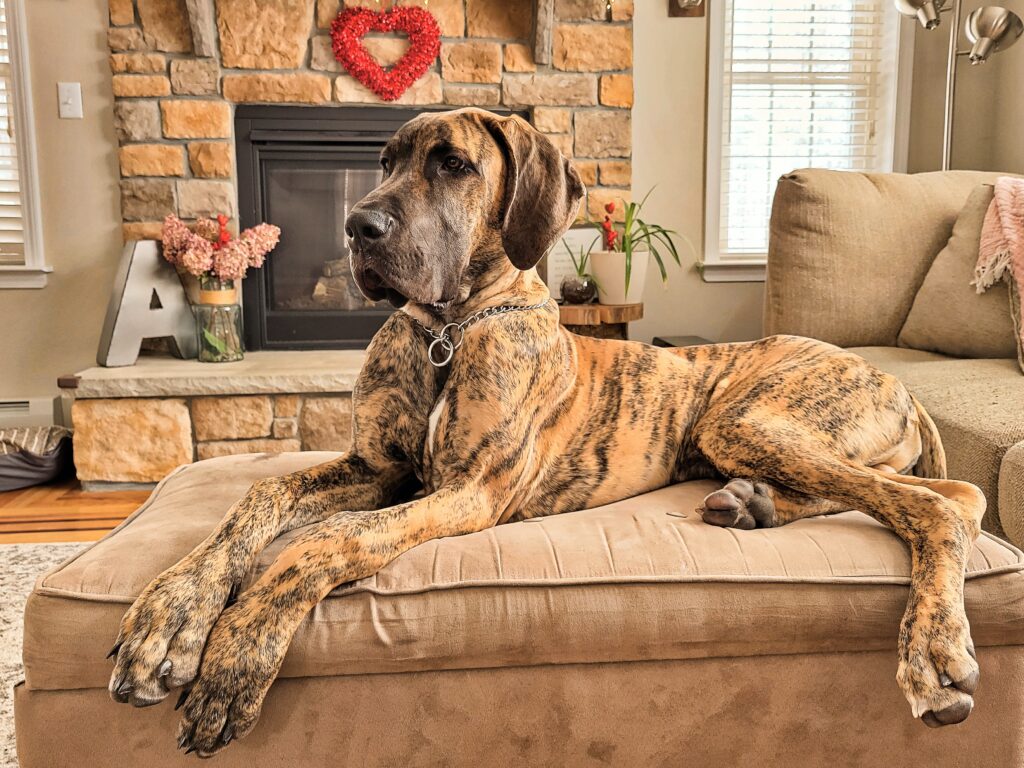
Have you ever wondered at what age a Great Dane reaches its full size? Well, I’m here to shed some light on this intriguing question! A Great Dane, one of the largest dog breeds, typically takes a bit longer to fully mature compared to smaller breeds. On average, you can expect them to reach their adult size and weight between 18 months to 2 years of age.
During the early stages of a Great Dane’s life, they go through a rapid growth phase, and it can be quite fascinating to witness. Their size can be quite impressive, with males often weighing between 140 to 175 pounds, while females typically range between 110 to 140 pounds. However, it’s important to note that every dog is unique, and there might be some individual variation in growth rates. So, sit back, relax, and enjoy watching your Great Dane gradually transform into a magnificent, fully grown companion before your eyes!
Physical Development of Great Danes
As one of the largest dog breeds in the world, Great Danes undergo a remarkable physical development process. From their size and weight to muscle and bone development, there are several factors that contribute to the growth of these majestic creatures.
Size and Weight
Great Danes are known for their impressive size and stature. On average, male Great Danes can reach a height of 30-34 inches at the shoulder and weigh between 140-175 pounds, while females can be slightly smaller, measuring around 28-32 inches in height and weighing between 110-140 pounds. However, it’s important to note that individual variations may occur within these ranges.
Muscle Development
Proper muscle development is crucial for the overall health and physical well-being of Great Danes. Regular exercise, such as daily walks and playtime, can help strengthen their muscles. Adequate protein intake is also essential for muscle growth and repair. High-quality dog food formulated for large breed puppies and adults can provide the necessary nutrients to support muscle development.
Bone Development
Similar to their muscles, bone development is a vital aspect of Great Dane growth. Since these dogs are prone to certain bone-related issues, such as hip dysplasia and osteoarthritis, it’s crucial to ensure proper bone development from an early age. A balanced diet rich in calcium, phosphorus, and other essential minerals plays a significant role in promoting healthy bone growth. However, it’s essential to strike the right balance, as excessive calcium supplementation can actually lead to bone and joint problems.
Factors Affecting Growth Rate
Several factors can impact the growth rate of Great Danes. It’s important to consider these factors to ensure optimal growth and development of your furry friend.
Genetics
Genetics play a significant role in determining the size and growth rate of a Great Dane. The genes inherited from their parents will largely influence their adult size and overall physical development. Breeders who focus on responsible breeding practices can help ensure healthier genetics and reduce the risk of certain genetic disorders that can impact growth.
Nutrition
Proper nutrition is crucial for the healthy growth of Great Danes. A high-quality, balanced diet that meets the specific nutritional needs of large breed puppies and adults is essential. Puppies need a diet formulated for growth, with adequate protein, fat, vitamins, and minerals. As they transition into adulthood, their dietary needs change, and it’s essential to switch to a diet specifically designed for large breed adult dogs.
Health Conditions
Certain health conditions can affect the growth rate of Great Danes. Regular veterinary check-ups and early detection of any underlying health issues are crucial. Conditions such as thyroid disorders, kidney disease, and hormonal imbalances can impact growth. Working closely with a veterinarian and addressing any health concerns promptly can help ensure healthy growth.
Exercise and Activity Level
Exercise and activity level also play a significant role in the growth rate of Great Danes. Regular exercise is essential for muscle development and overall physical well-being. However, it’s important to strike a balance and avoid overexertion, especially during the rapid growth phase. Consult with your veterinarian to determine the appropriate exercise routine for your Great Dane based on their age and specific needs.
Age Milestones in Great Dane Growth
Great Dane growth can be divided into different age milestones, each marked by specific physical and behavioral changes.
Birth to 8 Weeks
During the first few weeks of their lives, Great Dane puppies are completely dependent on their mother’s milk for nutrition. They grow rapidly and experience significant weight gain during this period. At around 2-3 weeks of age, they begin to open their eyes, and their ears start to become more responsive to sounds.
8 Weeks to 4 Months
At the age of 8 weeks, Great Dane puppies are usually ready to be separated from their mother and siblings. During this period, they experience a rapid growth phase and may gain several pounds each week. Teeth eruption and the transition from milk to solid food occur during this time, making proper nutrition crucial.
4 Months to 8 Months
Between 4 to 8 months, Great Danes continue to grow steadily, but at a slower pace compared to the previous phase. Their growth plates are still developing, making them susceptible to certain injuries. During this period, it’s important to provide a balanced diet, monitor exercise levels, and ensure regular veterinary check-ups to address any potential health issues.
8 Months to 12 Months
By 8 months, most Great Danes have reached their full height and are in the final stages of their overall growth. However, they will continue to gain weight and fill out until they reach their adult size. This stage is critical for proper bone development, and it’s important to maintain a healthy diet, exercise routine, and regularly monitor their overall well-being.
12 Months and Beyond
At around 12 months, Great Danes are considered fully grown, although their muscles may continue to develop and fill out for another year or so. It’s important to maintain consistent care, provide appropriate nutrition, and monitor their overall health and well-being throughout their adult life.
Caring for a Growing Great Dane
Caring for a growing Great Dane involves taking into account their specific nutritional needs, exercise requirements, and regular veterinary check-ups. Ensuring optimal care during their growth phase can have a significant impact on their overall health and well-being.
Nutritional Needs
Providing a balanced and nutritious diet tailored to the needs of a growing Great Dane is essential for their growth and development. High-quality dog food formulated for large breed puppies should be fed until they reach maturity, at which point a switch to a large breed adult formula is recommended. Avoid excessive calcium supplementation and monitor their weight to prevent excessive growth that can put strain on their joints.
Exercise and Training
Regular exercise is important for the growth and development of Great Danes. However, during their rapid growth phase, it’s crucial to avoid excessive exercise that can strain their developing bones and joints. Short, controlled exercise sessions, such as leash walking and gentle play, can provide the necessary physical activity without risking injury. Engaging in positive reinforcement training can help develop their mental and emotional well-being.
Veterinary Check-ups
Regular veterinary check-ups are crucial to monitor the growth and overall health of a Great Dane. Vaccinations, deworming, and preventive measures for parasites should be followed as recommended by the veterinarian. Regular check-ups also allow for the early detection of any potential health issues that can impact growth and development.

Recognizing Signs of Growth Completion
Great Danes generally reach their full size and maturity by the age of 12 months. However, it’s important to be aware of certain signs that indicate growth completion.
Physical Appearance
A Great Dane that has reached its full size will have a well-proportioned and balanced body. Their bones will have fully developed, and they will have filled out in terms of muscle mass. The growth plates in their long bones, particularly in the legs, will have closed, indicating the end of the growth phase.
Behavioral Changes
As a Great Dane reaches its full size, there may be behavioral changes that indicate their transition into adulthood. They may become more settled, calmer, and less hyperactive. Their energy levels may stabilize, and they may exhibit a more mature demeanor. However, individual variations in behavior are normal, and it’s important to assess their overall well-being rather than relying solely on behavioral changes to determine growth completion.
Common Growth Issues in Great Danes
While Great Danes are generally a healthy breed, they are prone to certain growth-related issues that can impact their overall well-being.
Growth Disorders
Great Danes can experience various growth disorders, including conditions like hypertrophic osteodystrophy (HOD) and panosteitis. These disorders affect the proper growth and development of their bones, leading to lameness, pain, and discomfort. Early detection and appropriate treatment are essential to manage these conditions effectively.
Orthopedic Problems
The size and rapid growth of Great Danes make them susceptible to orthopedic issues, such as hip dysplasia and elbow dysplasia. These conditions can be hereditary or exacerbated by environmental factors. Regular veterinary check-ups and early intervention can help manage these issues and minimize their impact on the dog’s overall quality of life.
Frequently Asked Questions
How big will my Great Dane get?
On average, male Great Danes can reach a height of 30-34 inches at the shoulder and weigh between 140-175 pounds, while females can be slightly smaller, measuring around 28-32 inches in height and weighing between 110-140 pounds.
Can the growth rate be accelerated?
It is not advisable to accelerate the growth rate of Great Danes. Rapid growth can put strain on their developing bones and joints, potentially leading to long-term health issues. It’s important to provide a balanced diet, controlled exercise, and regular veterinary care to support healthy growth and development.
Should I limit exercise during growth?
While exercise is important for a growing Great Dane, moderation is key during their rapid growth phase. Excessive exercise can put strain on their developing bones and joints. Short, controlled exercise sessions that allow for appropriate physical activity without risking injury or overexertion are recommended.
What if my Great Dane is not growing at the expected rate?
If you notice that your Great Dane is not growing at the expected rate or experiencing any abnormal physical or behavioral changes, it’s important to consult with a veterinarian. There may be underlying health issues or growth-related disorders that need to be addressed. Early intervention and proper veterinary care can help manage these issues effectively.
Are there any special considerations for feeding during growth?
Feeding a balanced and appropriate diet is crucial for a growing Great Dane. Avoid excessive calcium supplementation and monitor their weight to prevent excessive growth that can put strain on their joints. Consult with a veterinarian to determine the best feeding practices based on your Great Dane’s specific needs and growth trajectory.
Conclusion
The physical development of Great Danes is a fascinating journey that requires careful attention to their nutrition, exercise, and overall health. Understanding the factors that affect their growth rate, recognizing age milestones, and providing appropriate care can help ensure that these magnificent dogs reach their full potential in terms of size, strength, and overall well-being. By being a responsible and informed pet owner, you can help your Great Dane thrive throughout their growth journey and enjoy a healthy and fulfilling life with your beloved companion.