

Great Dane Lifespan: How Long Do Great Danes Live?
The Great Dane lifespan is an essential topic for owners and potential adopters to understand, as this breed has a relatively short lifespan compared to other species. Factors such as health, environment, and genetics can impact a Great Dane’s longevity, and proper care can help maintain their health and potentially increase their lifespan.
For potential adopters, understanding the lifespan of a Great Dane is vital for making an informed decision about whether this breed is the right fit for their lifestyle and expectations.
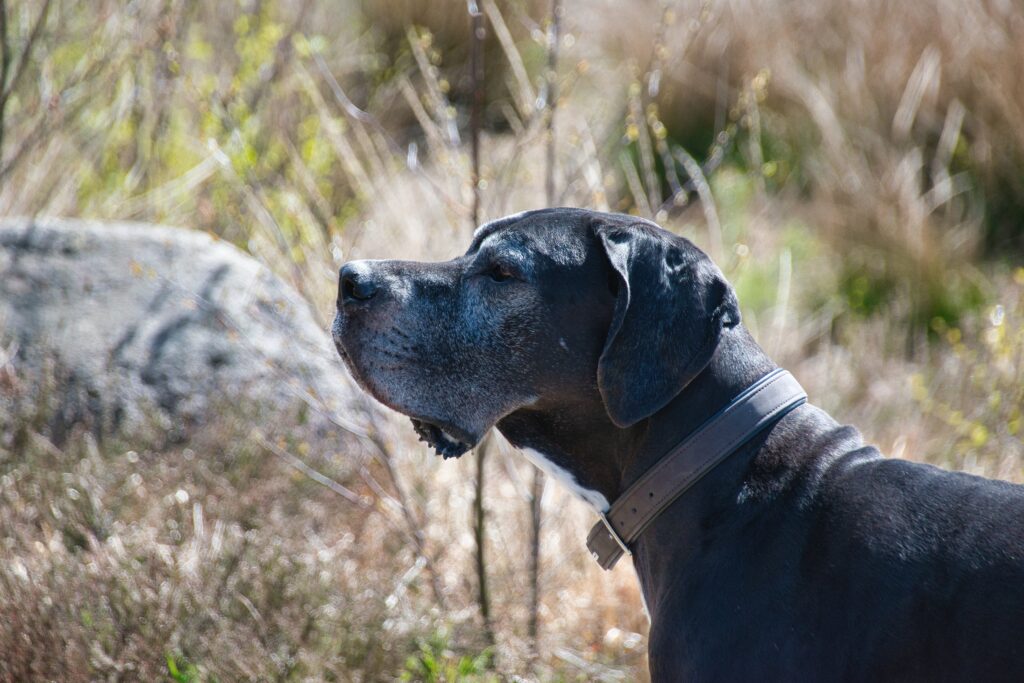
How Long Do Great Danes Live on Average?
Great Danes are popular dogs known for their large size, gentle demeanor, and affectionate personalities. However, one of the challenges that Great Dane owners face is their relatively short lifespan compared to other breeds. In this section, we will discuss the average lifespan of Great Danes, the factors that can impact their lifespan, and some breed-specific health issues that can affect their longevity.
On average, Great Danes have a lifespan of 6 to 8 years. This is considerably shorter than many other breeds, which can live well into their teens. However, some Great Danes have lived much longer than the average, with some living to be 10, 11, or even 12 years old. The key to increasing a Great Dane’s lifespan is to understand the factors that can impact its longevity and take steps to mitigate them.
One of the most significant factors that can impact a Great Dane’s lifespan is its overall health. Like all dogs, Great Danes are susceptible to particular health issues, such as hip dysplasia, bloat, and heart disease. However, Great Danes may be more prone to these and other health problems because of their large size. Regular vet checkups, proper nutrition, and exercise will help maintain Great Dane’s health and prevent or manage health issues that may impact their lifespan.
Another factor that can impact a Great Dane’s lifespan is its environment. Great Danes who live in supportive, safe, and loving homes may live longer than those who are neglected or mistreated. A safe and supportive environment can help reduce stress and anxiety, impacting a Great Dane’s overall health and well-being.
Genetics can also play a role in a Great Dane’s lifespan. Some bloodlines may be predisposed to specific health conditions that can impact their longevity. Responsible breeders will perform health screenings on their breeding stock to ensure they produce healthy puppies with a lower risk of developing breed-specific health issues.
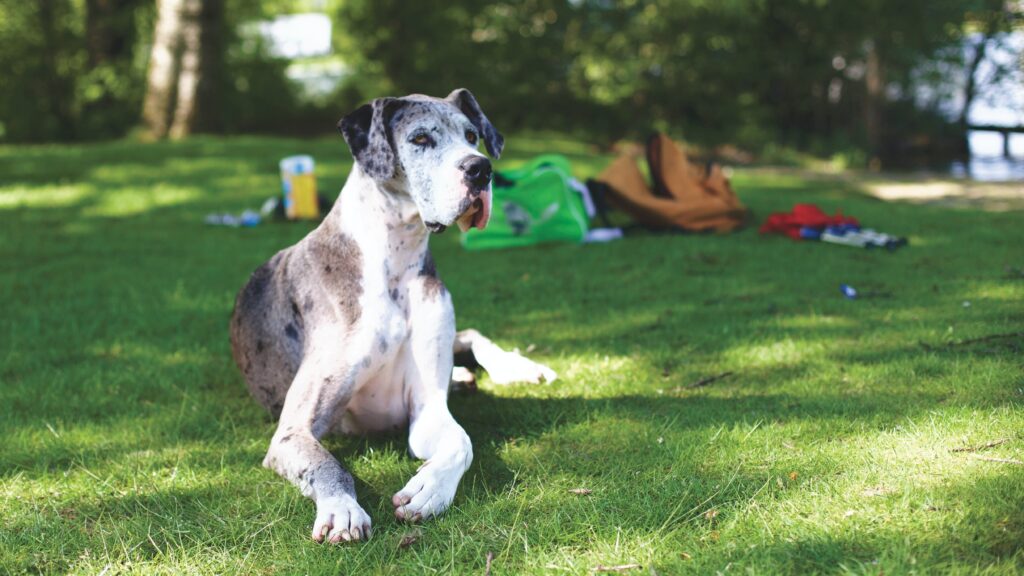
In addition to genetics and environment, several breed-specific health issues can impact the Great Dane lifespan.
One of Great Danes’ most common health issues is bloat, also known as gastric torsion. Bloat is a life-threatening condition that can occur when a dog’s stomach fills with gas and twists on itself. Other common health issues in Great Danes include hip dysplasia, heart disease, and cancer.
Additionally, responsible breeding practices can help reduce the risk of breed-specific health issues, and early detection and treatment can help manage and potentially extend a Great Dane’s lifespan.
How to Increase Your Great Dane’s Lifespan: Tips for Maintaining Their Health
Sure, here’s a table summarizing the tips for maintaining a Great Dane’s health and increasing their lifespan:
| Tips for Maintaining a Great Dane’s Health |
|---|
| 1. Proper Nutrition |
| – High quality protein and healthy fats |
| – Low in carbohydrates |
| – Specifically formulated for large breeds |
| – Avoid high sodium and fat foods |
| – Feed smaller, more frequent meals |
| 2. Exercise |
| – Regular walks and playtime |
| – Avoid over-exercising and high-impact activities |
| – Swimming can be a low-impact exercise option |
| 3. Routine Checkups |
| – Annual or bi-annual exams |
| – Stay up-to-date on vaccinations and parasite prevention |
| 4. Early Detection and Treatment of Health Issues |
| – Be aware of signs of common health issues |
| – Seek veterinary care promptly |
| 5. Oral Health |
| – Regular brushing and dental cleanings |
| – Provide dental chews or toys |
Great Danes are beloved for their gentle nature and imposing size, making them popular family pets. However, as a large breed, they also have a relatively short lifespan compared to other breeds. While there is no guaranteed way to extend a Great Dane’s lifespan, there are steps that owners can take to maintain their health and potentially increase their longevity. In this section, we’ll explore some tips for maintaining a Great Dane’s health and increasing their lifespan.
- Proper Nutrition
A well-balanced diet is essential for maintaining a Great Dane’s health and increasing their lifespan. Great Danes have unique nutritional needs due to their size and breed-specific health concerns. Owners should ensure that their Great Dane’s diet is high in quality protein and healthy fats while also being low in carbohydrates. Feeding them a diet that is specifically formulated for large breeds and avoiding foods that are high in sodium or fat can help reduce the risk of obesity and other health issues. Additionally, owners should feed their Great Dane smaller, more frequent meals to prevent bloating, which is a common health issue in this breed. - Exercise
Regular exercise is important for maintaining a Great Dane lifespan, physical and mental health. Great Danes are known for their love of leisure, but it’s important to keep them active to avoid weight gain and reduce the risk of certain health issues. Daily walks and playtime can help keep a Great Dane healthy and happy. It’s important to avoid over-exercising or high-impact activities that can cause joint damage, which is a common health issue in this breed. Swimming is a low-impact exercise that can be a great option for Great Danes. - Routine Checkups
Regular veterinary checkups are crucial for maintaining a Great Dane’s health and detecting health issues early. Annual or bi-annual exams can help identify and treat health issues before they become more serious. Great Danes are prone to certain health issues, such as hip dysplasia, bloat, and heart disease, so it’s important to monitor their health closely. Owners should also stay up-to-date on vaccinations and parasite prevention to protect their Great Dane’s health. - Early Detection and Treatment of Health Issues
Even with proper care, Great Danes may still develop health issues. Early detection and treatment can help manage health issues and potentially extend a Great Dane’s lifespan. Owners should be aware of the signs of common health issues and take their Great Dane to the vet as soon as possible if they notice any symptoms. Treatment options may include medications, surgery, or lifestyle changes. - Oral Health
Maintaining good oral health is important for preventing periodontal disease and other health issues. Regular brushing and dental cleanings can help prevent plaque buildup and reduce the risk of health issues such as heart disease. Owners can also provide their Great Dane with dental chews or toys to help keep their teeth clean.
Maintaining your best friends health is crucial for increasing the lifespan. Proper nutrition, exercise, routine checkups, early detection and treatment of health issues, and good oral health are all important for keeping a Great Dane healthy and happy. By taking these steps, owners can help ensure that their Great Dane lives a long and fulfilling life.
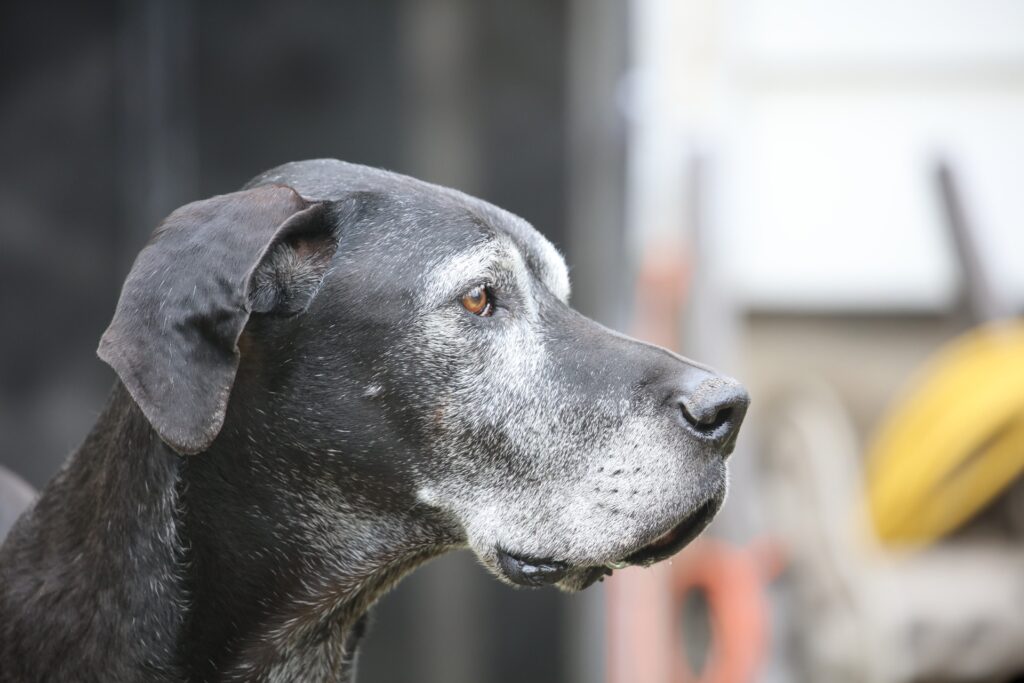
Common Health Issues That Can Affect a Great Dane’s Lifespan
Great Danes are a large and impressive dog breed known for their gentle nature and affectionate personalities. However, like all dogs, Great Danes are susceptible to certain health issues impacting their quality of life and longevity.
In this part, we will review some of the most common health issues affecting a Great Dane’s lifespan.
Bloat
Bloat is a serious condition when your dog’s stomach fills with gas, fluid, or food and becomes twisted or distended. Great Danes are especially susceptible to this condition due to their large size and deep chest cavity. Symptoms of bloat include a distended abdomen, restlessness, and unproductive vomiting. Without prompt treatment, bloat can be life-threatening. Great Dane owners must be aware of the signs and seek veterinary care immediately if they suspect their pet suffers from bloat.
Hip Dysplasia
Hip dysplasia is a genetic condition that can cause Great Dane’s hip joints to develop abnormally, leading to pain, inflammation, and reduced mobility. While not all Great Danes will develop hip dysplasia, it is a relatively common condition in the breed. Early signs of hip dysplasia can include difficulty standing up, reluctance to exercise, and limping. Treatment options may include medication, physical therapy, or surgery, depending on the severity of the condition.
Gastric Torsion
Gastric torsion, also known as twisted stomach or GDV is a potentially fatal condition that can occur when a Great Dane’s stomach twists, cutting off the blood supply to vital organs. Symptoms of gastric torsion include a distended abdomen, restlessness, and unproductive vomiting.
This condition requires immediate emergency treatment, as it can cause fast deterioration of the dog’s health and be fatal if left untreated.
Heart Disease
Great Danes are also susceptible to certain types of heart disease, including dilated cardiomyopathy and mitral valve disease. These conditions can lead to various symptoms, including fatigue, coughing, and difficulty breathing. While dogs have no cure for heart disease, treatment options may include medication, dietary changes, and lifestyle modifications.
Cancer
Like all dogs, Great Danes can develop various types of cancer, including bone cancer, lymphoma, and mast cell tumors. Not all tumors are cancerous, but it is important for Great Dane owners to be vigilant for any lumps or bumps on their pets and to seek veterinary care if they notice any changes in their pet’s behavior or appearance. Treatment options for cancer may include surgery, chemotherapy, or radiation therapy, depending on the type and stage of the cancer.
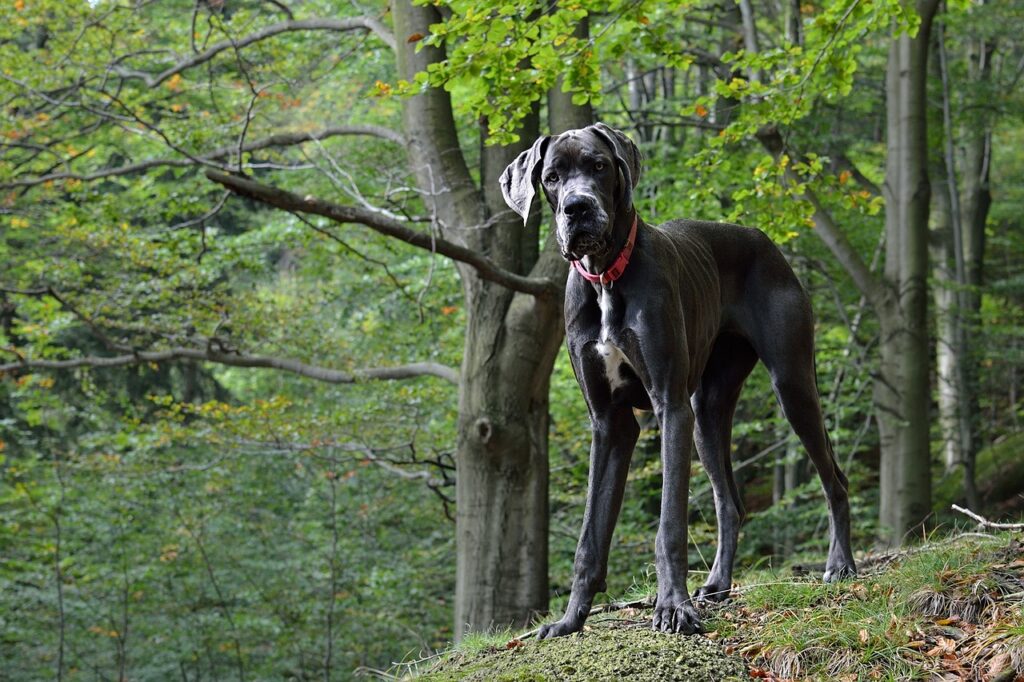
Great Danes are prone to certain health issues that can impact their lifespan. By being aware of the signs and symptoms of these conditions and by seeking prompt veterinary care when necessary, owners can help ensure their Great Dane remains healthy and happy for as long as possible. Regular check-ups, a healthy diet, and exercise, can all help reduce the risk of many of these conditions and promote a longer Great Dane lifespan.
How can Great Dane owners prepare for their dog’s end of life?
Losing a pet can be an emotionally challenging experience, and all Great Dane owners need to be prepared for their dog’s end of life. While it may be challenging to think about, having a plan can help ease the transition and provide comfort during a difficult time. This section will discuss end-of-life care options and considerations for Great Dane owners, including hospice care, euthanasia, and coping with grief and loss.
Hospice Care for Great Danes
Hospice care is an option for pet owners who want to provide comfort care for their pets during the end of their life. Hospice care for Great Danes may include pain management, hydration, nutrition support, and emotional support for both the pet and its owner.
Hospice care can be provided at home or in a veterinary clinic, depending on the pet’s needs and the owner’s preferences. Hospice care can offer a peaceful and dignified end-of-life experience for Great Danes and their families.
Euthanasia for Great Danes
Euthanasia is a challenging but sometimes necessary decision for pet owners who want to prevent their pets from experiencing unnecessary suffering. Great Dane owners may choose euthanasia if their pet’s quality of life is severely compromised due to a terminal illness, injury, or age-related decline.
Euthanasia can be performed in a veterinary clinic or at home with the assistance of a mobile veterinarian. Great Dane owners should talk to their veterinarians about the euthanasia process, including what to expect and how to prepare for the procedure.
Coping with Grief and Loss
Losing a pet can be a traumatic and emotional experience for pet owners, and it’s essential to have resources and support during this difficult time. Great Dane owners may experience feelings of sadness, guilt, and loneliness after losing their pets. Taking care of oneself during this time is essential, including talking to a therapist, joining a pet loss support group, or participating in a memorial service or activity to honor their pet’s memory. Pet owners may also consider creating a memorial, such as a plaque or a tree, in honor of their Great Dane.
Preparing for a Great Dane’s end of life can be challenging but necessary for pet owners. Hospice care, euthanasia, and coping with grief and loss are all critical considerations for pet owners facing this challenging time.
Great Dane owners should talk to their veterinarians about their options. Take the time to make a plan that is best for their pet and their family. Remember, the love and joy that their Great Dane brought into their lives can provide comfort during this difficult time, and honoring their memory can keep their spirit alive.
Conclusion
In conclusion, Great Danes are beloved family pets that require special care and attention to maintain their health and potentially increase their lifespan. As responsible pet owners, it is crucial to understand the factors that can impact a Great Dane’s lifespan and take steps to provide the best possible care.
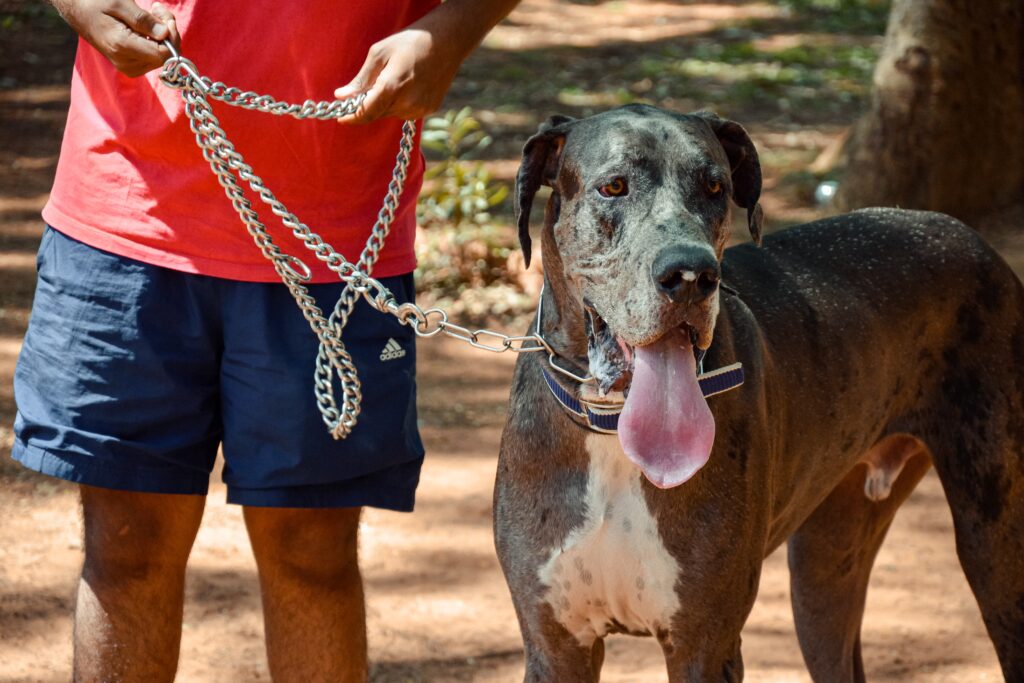
One of the most critical things the affect a Great Dane lifespan is to provide proper nutrition and exercise. A healthy diet and regular exercise can help maintain a Great Dane’s weight, prevent obesity-related health issues, and keep them active and engaged. Additionally, regular veterinary checkups and preventative care can help catch potential health issues early and prevent them from becoming more serious.
Another way to provide the best care for your Great Dane is to ensure they have a safe and supportive environment. Great Danes thrive in homes with loving families and plenty of space to move around. Providing a comfortable living space with plenty of opportunities for exercise and play can help reduce stress and promote a happy, healthy lifestyle.
Providing end-of-life care and support is also crucial for owners of senior Great Danes or those with health issues. This may include pain management, palliative care, or even hospice care for those with terminal illnesses. It can be difficult and emotional, but providing your Great Dane with comfort and love in its final days is a meaningful way to honor its life and the joy it brought to your family.
In addition to these practical tips, it is essential to recognize the emotional impact of losing a beloved pet. Great Danes are known for their gentle nature and affectionate personalities, and the bond between a Great Dane and its owner can be solid and meaningful. Coping with the loss of a pet can be challenging, but seeking support from family, friends, or a professional counselor can help ease the process.
In conclusion, Great Dane owners can provide the best care for their beloved pets by focusing on proper nutrition and exercise, creating a safe and supportive environment, and providing end-of-life care and support as needed. While it can be challenging to say goodbye to a beloved pet, promoting their health and happiness can help owners cherish their time with their Great Dane and honor their life when it’s time to say goodbye.
Overall, understanding the lifespan of Great Danes and the factors that can impact their longevity is an essential part of responsible ownership. By providing the best possible care, owners can help their Great Dane live a long, happy life and create cherished memories that will last a lifetime.