
Why Are Great Danes So Big? The Evolution and Science Behind Their Size
Brief History of Great Danes and Their Popularity as a Breed
Great Danes are so big due to genetics and selective breeding. Originally bred for hunting large game, these dogs needed their impressive size, strength, and agility to take on formidable prey. Over time, breeders have continued to emphasize these traits, resulting in the majestic and large stature of modern Great Danes.
Great Danes have captured the hearts of many with their gentle nature, imposing size, and unique appearance. Historically, these dogs were bred in Germany for hunting large game such as boars and deer. Although their exact ancestry is debated, it is widely believed that they were developed from a mix of breeds, including the English Mastiff, Irish Wolfhound, and Greyhound. The breed was officially recognized by the American Kennel Club (AKC) in 1887, and since then, it has grown in popularity as a family pet, show dog, and companion animal.
Why are Great Danes so big? Hopefully, this is a short answer to that question.
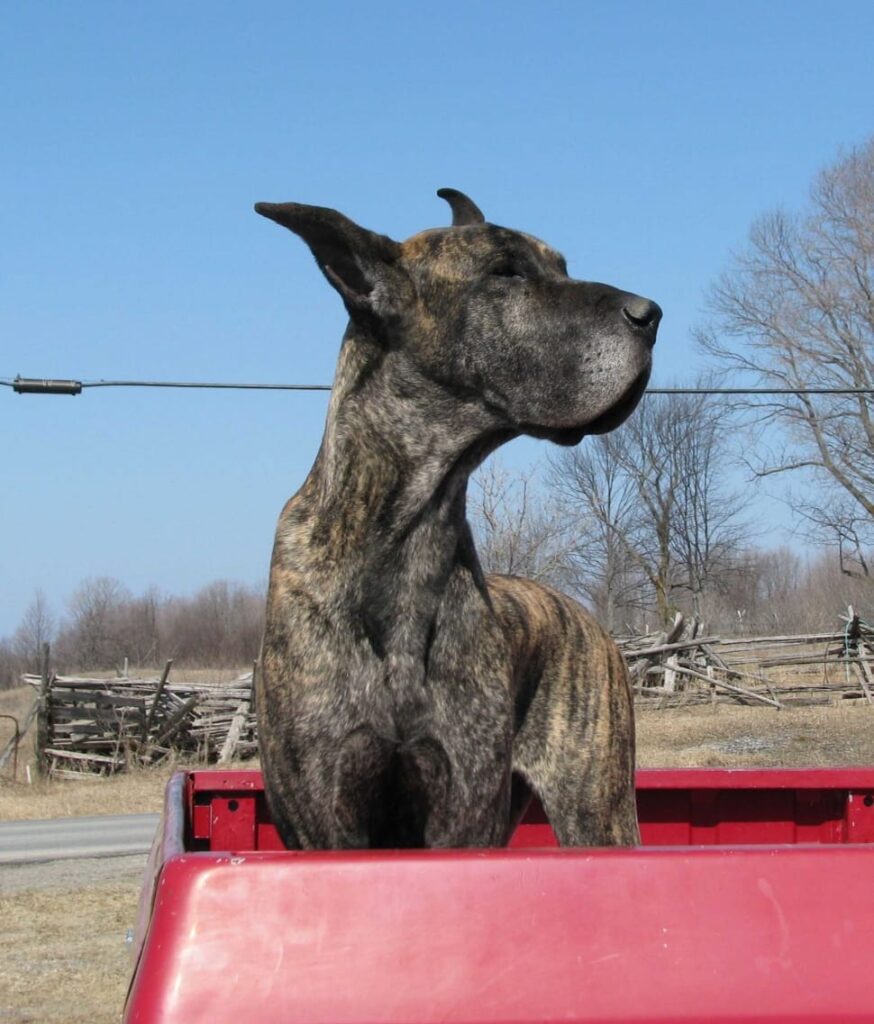
Great Danes are considered one of the largest dog breeds, standing at an average height of 28 to 32 inches at the shoulder and weighing between 100 to 200 pounds. Their size has led to the nickname “Apollo of dogs,” after the ancient Greek god Apollo, who was revered for his beauty, strength, and grace. As a breed, Great Danes are well-loved for their affectionate and gentle nature, making them great family pets despite their enormous size.
Explanation of the Focus of the Article on Great Dane’s Size
This article explores the fascinating science and evolution behind the size of the Great Danes. While their size is an easily recognizable feature, few people know the factors contributing to their unique stature. By delving into their evolution and understanding the science that has shaped their growth, we can gain a deeper appreciation for this captivating breed.
This article will examine the genetic, nutritional, and evolutionary factors that have played a role in developing the Great Dane’s size. We will also discuss the implications of their size on their overall health and well-being, as well as what prospective Great Dane owners can do to ensure their dogs live healthy, happy lives.
The Origin of Great Danes and Their Ancestry with Mastiffs, Wolfhounds, and Greyhounds
Great Danes have a fascinating history, their origins dating back thousands of years. These magnificent dogs, known for their size and elegant appearance, have a rich heritage that includes a mix of different breeds, such as Mastiffs, Wolfhounds, and Greyhounds.
Historians believe the Great Dane’s ancestry can be traced back to the ancient Assyrians, who traded dogs with the Greeks and Romans. These dogs were then bred with local breeds in various regions, resulting in the development of the Molossian hound, an ancestor of the modern Mastiff.
As the Romans continued to expand their empire, they encountered the Irish Wolfhound and the Greyhound. Impressed by these breeds’ unique qualities, they began incorporating them into their breeding programs. Over time, this crossbreeding led to the development of the “boar hound,” a dog specifically bred for its strength, size, and speed, which was essential for hunting large game.
How They Were Originally Bred for Hunting Large Animals
Great Danes were initially bred for their impressive hunting abilities. As the name “boar hound” suggests, they were primarily used for hunting wild boar. Their massive size, strength, and agility allowed them to take on these large, dangerous animals, protecting their human companions.
In addition to boar, Great Danes were used to hunt other large game, such as deer and bear. Their keen senses, endurance, and fearlessness made them invaluable hunting partners. These dogs were highly prized for their work and were often owned by royalty and nobility.
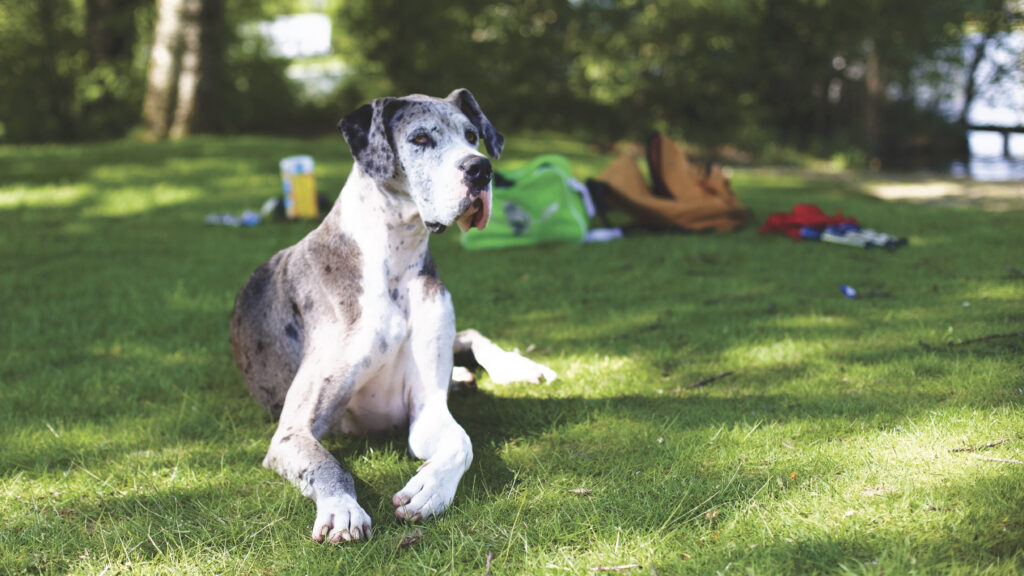
During this time, specific physical characteristics were essential for the breed’s success. Great Danes needed to be large and muscular to overpower their prey, and their deep chests provided ample lung capacity for sustained endurance. The dogs also had to be agile, able to change direction quickly, and easily navigate through dense forests.
Changes in Their Breeding Over Time and How It Affected Their Size
As with many dog breeds, the Great Dane’s societal role has evolved. As hunting large game became less prevalent, the breed’s purpose shifted to that of a companion and guardian. Breeders began to focus on developing dogs with a more docile temperament, prioritizing loyalty, gentleness, and a protective instinct.
This change in breeding focus led to a shift in the physical characteristics of the Great Dane. While they have always been a large breed, their size and bulk have increased over the centuries. Today’s Great Danes are more prominent than their ancestors, with males often standing 30-32 inches at the shoulder and weighing between 140-175 pounds and females standing 28-30 inches and weighing between 110-140 pounds.
The following table shows a comparison between the size of the Great Dane’s ancestors and modern Great Danes:
| Ancestral Great Dane (Boar Hound) | Modern Great Dane | |
|---|---|---|
| Height (male) | 28-30 inches | 30-32 inches |
| Height (female) | 26-28 inches | 28-30 inches |
| Weight (male) | 120-150 pounds | 140-175 pounds |
| Weight (female) | 100-120 pounds | 110-140 pounds |
The evolution of the Great Dane has seen a shift in its role in society from a fearless hunting companion to a gentle and loyal family pet. As a result, their physical characteristics have changed with modern.
Detailed Explanation of Great Dane’s Height, Weight, and Length
Great Danes are known for their impressive size, which is one of the breed’s defining characteristics. A Great Dane’s height, weight, and length are all noteworthy and contribute to its overall presence and appearance.
Height
The height of a Great Dane is typically measured at the shoulder, referred to as the withers. Male Great Danes typically stand between 30-32 inches tall, while females are slightly shorter, ranging from 28-30 inches.
Weight
The weight of a Great Dane can vary quite a bit depending on factors such as age, gender, and overall health. On average, male Great Danes weigh between 140-175 pounds, and females weigh between 110-140 pounds.
Length
In terms of length, Great Danes are relatively proportional to their height. The length of a Great Dane can be measured from the chest to the base of the tail. While there is no specific standard for length, a general guideline is that the length should be approximately equal to or slightly longer than the height at the withers.
Comparison to Other Large Breeds and Their Size
Great Danes are often considered one of the most giant dog breeds, but they are not alone in their impressive stature. Other large breeds, such as the Irish Wolfhound, the Mastiff, and the Saint Bernard, also have noteworthy sizes. The following table provides a comparison of the height and weight of these breeds:
| Breed | Average Height (Male) | Average Height (Female) | Average Weight (Male) | Average Weight (Female) |
|---|---|---|---|---|
| Great Dane | 30-32 inches | 28-30 inches | 140-175 pounds | 110-140 pounds |
| Irish Wolfhound | 30-35 inches | 28-33 inches | 140-180 pounds | 115-140 pounds |
| Mastiff | 28-36 inches | 27-34 inches | 160-230 pounds | 120-170 pounds |
| Saint Bernard | 28-30 inches | 26-28 inches | 140-180 pounds | 120-140 pounds |
The Tallest Great Dane Ever Measured
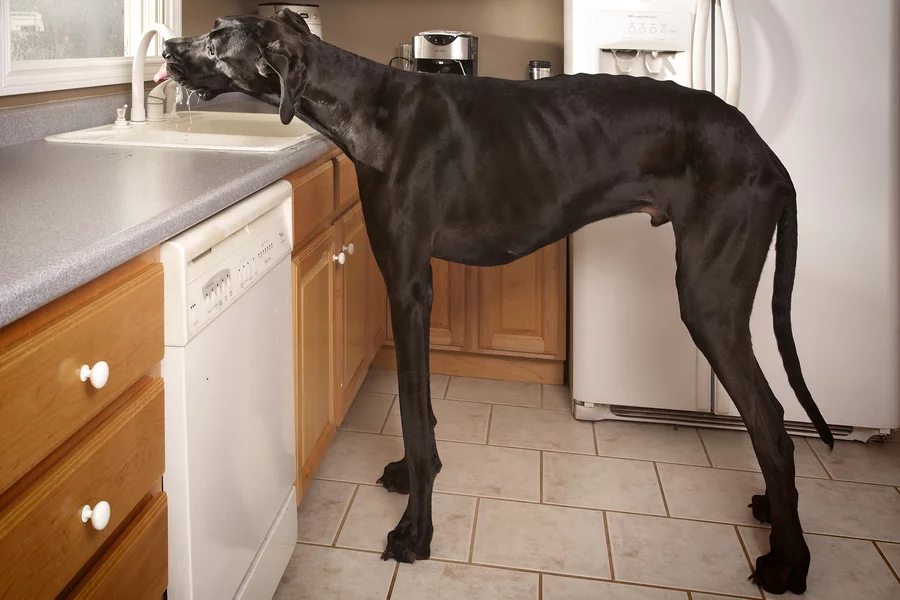
The tallest Great Dane ever measured was a dog named Zeus, who stood an incredible 44 inches tall at the shoulder. Zeus, who lived in Michigan, USA, was recognized by the Guinness World Records as the tallest dog ever in 2011. Sadly, Zeus passed away in 2014 at the age of five.
Average Size Range for Males and Females
As mentioned earlier, the average size of a Great Dane can vary depending on factors such as age, gender, and overall health. The following table provides an overview of the average height and weight ranges for male and female Great Danes:
| Gender | Average Height Range | Average Weight Range |
|---|---|---|
| Male | 30-32 inches | 140-175 pounds |
| Female | 28-30 inches | 110-140 pounds |
Understanding the size of a Great Dane is an essential aspect of appreciating the breed. Their impressive stature is a defining characteristic and a factor to consider when owning and caring for one of these gentle giants. A Great Dane can make a loyal and loving companion with proper care and attention to their unique needs.
The Role of Genetics and Selective Breeding in Determining Their Size
Genetics plays a significant role in determining the size of a Great Dane. Selective breeding has been used over the centuries to develop dogs with specific physical traits, including their impressive stature. By breeding dogs with desirable size attributes, breeders have produced generations of Great Danes with consistently large frames.
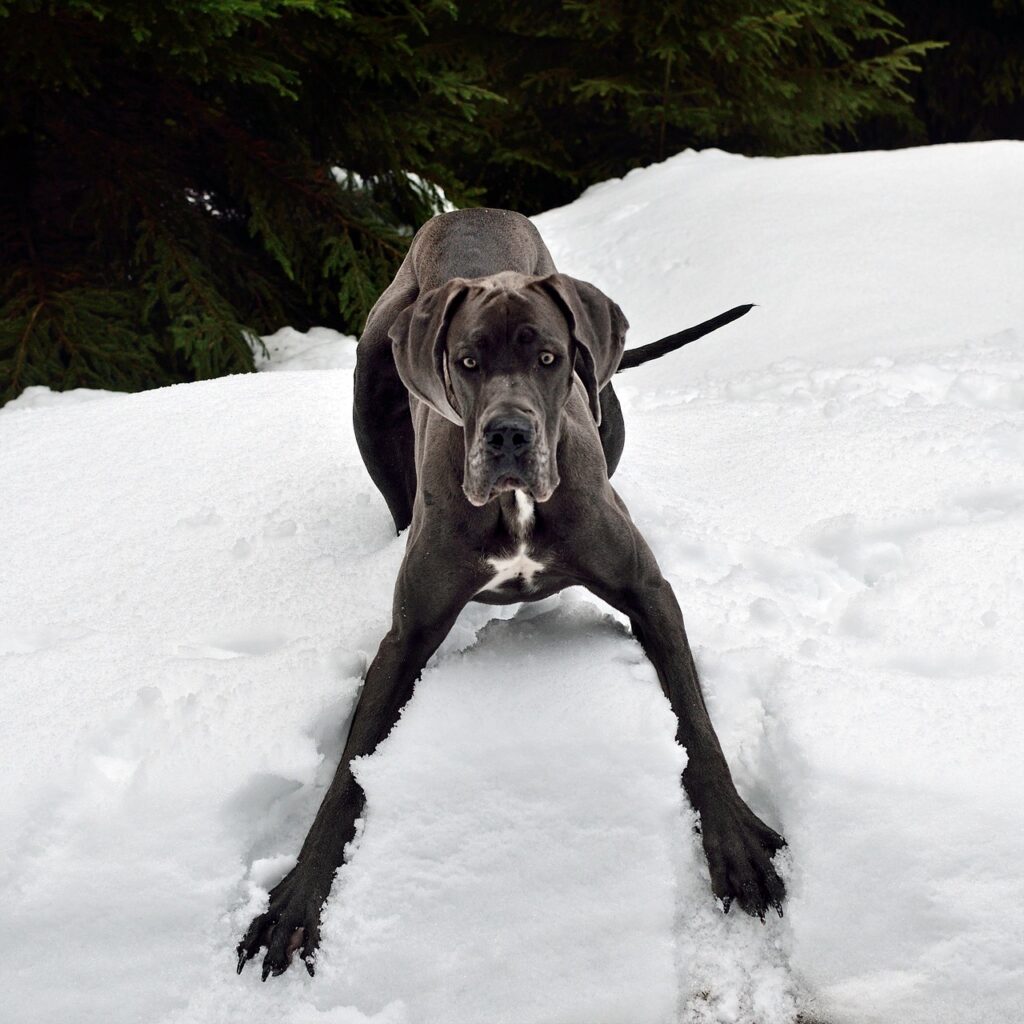
A combination of genes from the sire and the dam determines Great Dane’s size. Some genes may have a more dominant influence on size, while others may have a more recessive effect. As a result, a litter of Great Dane puppies can exhibit a range of sizes, depending on the specific combination of genes they inherit from their parents.
Breeders often use “line breeding” to maintain and enhance specific traits like size. This involves breeding closely related dogs, which can help ensure the desired traits are passed on to the next generation. However, this practice can also increase the risk of genetic health issues, so responsible breeders exercise caution when employing this method.
Why Are Great Danes So Big? Environmental Factors That Can Affect Their Growth
While genetics significantly determine a Great Dane’s size, environmental factors can also impact its growth. Proper care and attention to the following factors can help ensure that a Great Dane reaches its full growth potential:
- Living Conditions: A dog’s environment can directly impact its growth. Great Danes need ample space to move around and stretch their limbs indoors and outdoors. A cramped living space can hinder their physical development, leading to stunted growth.
- Climate: Temperature can affect a dog’s growth. Great Danes, like most dogs, can adapt to a range of climates, but they may grow more slowly in extremely cold or hot environments. A comfortable living environment with appropriate temperature control can help support healthy growth.
- Socialization: Proper socialization is essential for Great Dane’s overall development. Socializing your dog with other dogs and people helps them grow up to be well-rounded, confident, and comfortable in various situations. A lack of socialization can lead to stress, anxiety, and stunted growth.
The Importance of Proper Nutrition and Exercise
Proper nutrition and exercise are crucial for Great Dane’s growth and overall health. A well-balanced diet, rich in essential nutrients, supports their rapid growth and helps them reach their full-size potential.
- Diet: A high-quality diet formulated for large breed dogs supports a Great Dane’s growth. These diets provide the appropriate balance of protein, fat, carbohydrates, and essential vitamins and minerals. Feeding your Great Dane a balanced diet helps support healthy bone and muscle development and ensures that they grow steadily at a controlled rate.
- Exercise: Regular exercise is essential for maintaining a Great Dane’s overall health and ensuring proper growth. Daily walks, play sessions, and moderate exercise help to build strong muscles and promote a healthy weight. However, avoiding overexerting a growing Great Dane is essential, as excessive exercise can put undue stress on their developing joints and bones.
A combination of genetics, environmental factors, and proper care, including nutrition and exercise, all contribute to a Great Dane’s size. By understanding these factors and providing your Great Dane with the appropriate care and attention, you can help ensure that they grow up to be healthy and reach their full-size potential.
Explanation of the Health Risks That Come with Being a Large Dog Breed
While Great Danes are admired for their impressive size, knowing the health risks of being a large dog breed is essential. Their size and rapid growth can make them more susceptible to specific health conditions, impacting their overall well-being and lifespan. By understanding these health risks, owners can take appropriate measures to prevent and treat health issues and provide the best possible care for their Great Danes.
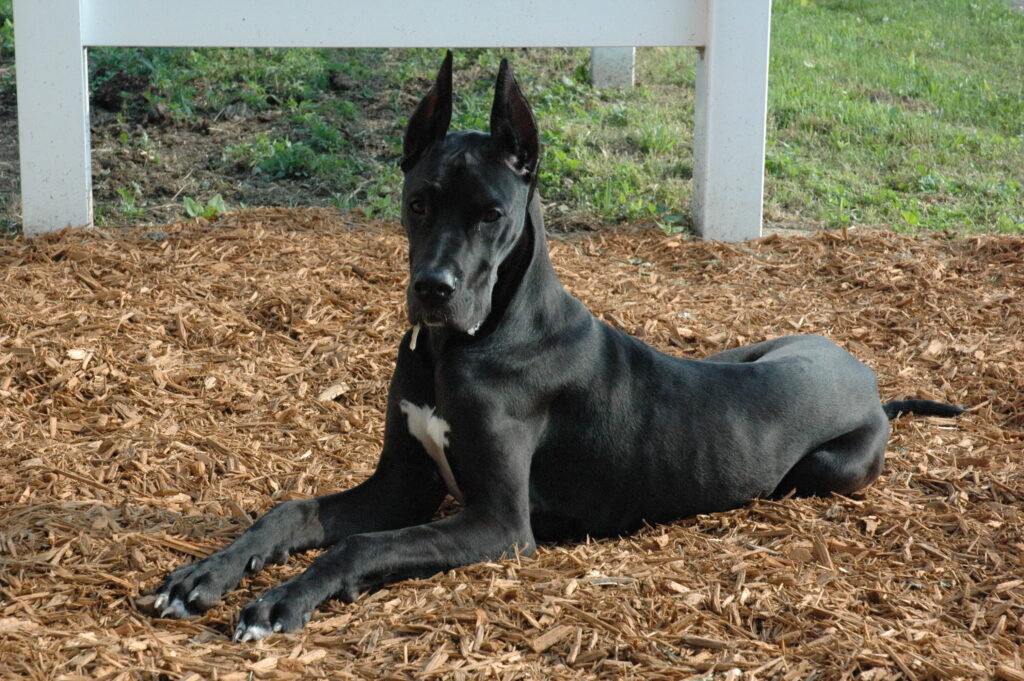
Some common health risks associated with large dog breeds like the Great Dane include:
- Orthopedic Issues: Due to their size and weight, Great Danes are prone to developing orthopedic problems such as hip dysplasia, elbow dysplasia, and osteochondritis dissecans (OCD). These conditions can cause pain, stiffness, and mobility issues.
- Heart Conditions: Great Danes have a higher risk of developing heart issues, particularly dilated cardiomyopathy (DCM), in which the heart enlarges and cannot pump blood effectively.
- Bloat: Large, deep-chested dogs like Great Danes are at an increased risk of developing Gastric Dilatation-Volvulus (GDV), a life-threatening condition commonly known as bloat.
The Risk of Gastric Dilatation-Volvulus (GDV)
Gastric Dilatation-Volvulus, or GDV, is a severe and potentially life-threatening condition that affects large, deep-chested dog breeds like the Great Dane. GDV occurs when the stomach fills with gas and then twists on itself, cutting off blood flow to the stomach and surrounding organs.
The exact cause of GDV is not fully understood, but several factors are thought to contribute to its development, including:
- Genetics: Some studies suggest that there may be a genetic predisposition to GDV in certain dog breeds, including the Great Dane.
- Rapid Eating: Dogs that eat quickly or consume large amounts of food in a single meal are at an increased risk of developing GDV.
- Exercise: Exercising immediately before or after eating can increase the risk of GDV in large dog breeds.
GDV can lead to shock, organ damage, and even death if not treated promptly. Signs of GDV include a distended abdomen, unproductive retching, excessive drooling, panting, restlessness, and a rapid or weak pulse.
How to Prevent and Treat Health Issues Related to Their Size
Prevention and early detection are crucial for managing health risks associated with Great Danes’ size. Here are some steps you can take to minimize the risk of health issues and ensure your Great Dane stays as healthy as possible:
- Regular Veterinary Care: Schedule regular check-ups with your veterinarian to monitor your Great Dane’s health and catch any potential issues early. Your vet may recommend additional screenings for conditions common in large dog breeds, such as hip dysplasia and heart disease.
- Proper Nutrition: Feed your Great Dane a high-quality, balanced diet specifically formulated for large-breed dogs. A proper diet can help support healthy bone and joint development and reduce the risk of orthopedic issues.
- Controlled Exercise: Regular, moderate exercise is important for maintaining your Great Dane’s overall health. However, avoid overexerting your dog, especially during their growth phase, to minimize the risk of joint and bone stress.
- GDV Prevention: To reduce the risk of GDV, feed your Great Dane smaller, more frequent meals and encourage slow eating by using a slow-feeder bowl. Additionally, avoid rigorous exercise immediately before or after meals.
- Environmental Enrichment: Providing a stimulating environment for your Great Dane can help reduce stress and anxiety, which can contribute to health issues. Offer toys, puzzles, and socialization opportunities to keep your dog mentally engaged and content.
- Joint Supplements: Consult your veterinarian about incorporating joint supplements, such as glucosamine and chondroitin, into your Great Dane’s diet. These supplements can help support joint health and may reduce the risk of orthopedic issues.
- Early Intervention: If you notice any signs of health problems in your Great Dane, seek veterinary care as soon as possible. Early intervention can help manage conditions more effectively and prevent them from progressing.
While Great Danes are prone to specific health issues related to their size, proper care and attention can minimize these risks and ensure your dog stays healthy. By providing regular veterinary care, proper nutrition, exercise, and monitoring for signs of potential problems, you can help your Great Dane live a long, happy life. Be proactive in your dog’s care and work closely with your veterinarian to address any concerns and maintain your Great Dane’s overall well-being.
The Timeline of Great Dane’s Growth and Development
Great Danes, like other large breed dogs, have a unique growth and development timeline. Their rapid growth during the first few months of their life is followed by a more gradual growth period until they reach their full adult size. Understanding this timeline is essential for properly caring for a growing Great Dane and ensuring that they develop into healthy, well-rounded adults.
Here is a general timeline of a Great Dane’s growth and development:
- Birth to 2 months: During this stage, Great Dane puppies grow rapidly, both in size and weight. They begin to develop basic motor skills, socialize with their litter-mates, and learn essential behaviors from their mother.
- 3 to 6 months: In this stage, puppies continue to grow quickly and begin to explore their surroundings more. They start to become more independent and begin the process of socialization with people and other animals.
- 7 to 12 months: As they enter adolescence, Great Danes experience a more gradual growth phase. They continue to gain height and weight, but at a slower pace than in their earlier months. During this time, they also develop their adult personalities and behaviors.
- 13 to 18 months: Great Danes approach their full adult size during this stage, although they may continue to fill out and gain muscle mass for several months. They reach sexual maturity, and their growth rate slows significantly.
- 19 to 24 months: By the time a Great Dane is around two years old, they are typically considered fully grown, having reached their adult height and weight. However, some dogs may continue to grow slowly and develop muscle mass until they are around three years old.
The Age at Which They Reach Full Height and Weight
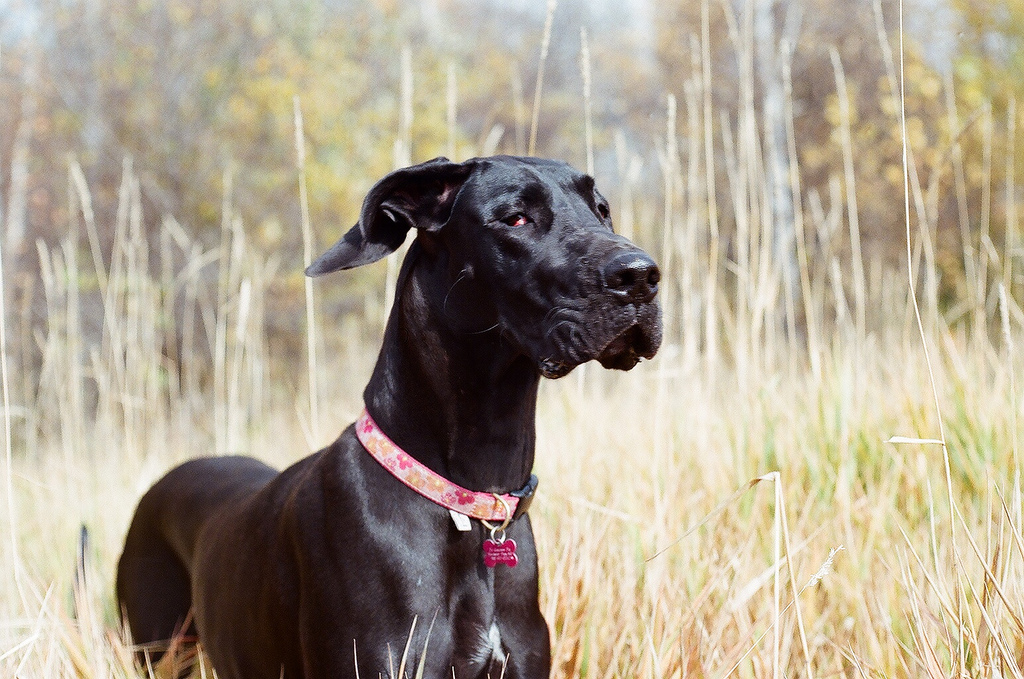
While the growth rate and age of maturity can vary among individual Great Danes, most reach their full adult height by the time they are around 18 months old. At this point, they may still continue to gain weight and muscle mass for several more months, with most Great Danes reaching their adult weight by the age of two or three years.
It is essential to remember that each dog is unique, and factors such as genetics, nutrition, and exercise can all impact a Great Dane’s growth rate. Monitoring your dog’s growth and development and consulting with your veterinarian can help ensure that they are growing at an appropriate pace.
How to Properly Care for a Growing Great Dane
Caring for a growing Great Dane requires attention to their specific needs at each stage of their development. By providing the appropriate care, you can support their healthy growth and ensure that they reach their full size potential. Here are some tips for caring for a growing Great Dane:
- Nutrition: Feed your Great Dane a high-quality, large breed puppy food until they are around 12-18 months old, at which point you can transition them to a large breed adult formula. Ensure that their diet is well-balanced and provides the necessary nutrients for their growth and development.
- Exercise: Provide regular, age-appropriate exercise to support healthy growth and development. Avoid overexertion, particularly in the first year, as excessive exercise can put strain on their developing joints and bones. As they mature, gradually increase the intensity and duration of their exercise.
- Socialization: Expose your Great Dane to a variety of people, animals, and environments from an early age to ensure they develop into well-rounded, confident adults. Puppy socialization classes, play dates with other dogs, and regular outings can help with this process.
- Training: Begin training your Great Dane from an early age using positive reinforcement techniques. Consistent, gentle training will help them develop good manners and prevent behavioral issues as they grow.
- Regular Veterinary Checkups: Schedule regular veterinary checkups to monitor your Great Dane’s growth and overall health. Your veterinarian can provide guidance on appropriate nutrition, exercise, and any potential health issues that may arise during their growth and development.
- Preventive Care: Ensure that your growing Great Dane receives appropriate vaccinations, parasite prevention, and dental care. Maintaining their overall health will support their growth and help prevent potential health issues.
- Monitor Growth: Keep track of your Great Dane’s growth by measuring their height and weight regularly. This can help you identify any potential issues with their growth rate and ensure that they are growing at an appropriate pace. Consult with your veterinarian if you have any concerns about your dog’s growth.
- Safe Environment: Provide a safe, comfortable environment for your growing Great Dane. Ensure they have a suitable bed or sleeping area, plenty of space to move around, and access to fresh water at all times.
- Joint Health: Pay particular attention to your Great Dane’s joint health, as large breed dogs can be prone to joint issues such as hip dysplasia. Provide joint supplements as recommended by your veterinarian, and avoid activities that put excessive strain on their joints, such as jumping from high surfaces or climbing stairs.
- Patience and Love: Remember that growing Great Danes, like all puppies, will have their share of accidents and behavioral challenges as they develop. Be patient and provide consistent, positive reinforcement to guide them through this process. Most importantly, shower them with love and affection to help them grow into happy, well-adjusted adults.
In conclusion, caring for a growing Great Dane requires attention to their specific needs at each stage of development. By providing proper nutrition, exercise, socialization, training, and veterinary care, you can support their healthy growth and ensure they reach their full size potential.
How to Choose a Reputable Breeder
When looking to add a Great Dane puppy to your family, it’s essential to choose a reputable breeder to ensure the health and well-being of your new companion. Here are some tips to help you find a responsible breeder:
- Do your research: Start by searching online for breeders in your area or asking for recommendations from friends, family, or veterinarians. Visit breed club websites and online forums to gather information on breeders and their practices.
- Ask questions: Contact potential breeders and ask them about their breeding program, including their goals, breeding practices, and the health of their dogs. A responsible breeder will be happy to answer your questions and provide information about their dogs’ health, lineage, and temperament.
- Visit the breeder’s facility: If possible, arrange a visit to the breeder’s facility. This will allow you to see the conditions in which the puppies are raised and observe the temperament of the parent dogs. A responsible breeder will maintain a clean, safe, and comfortable environment for their dogs.
- Health testing: Reputable breeders will conduct health testing on their breeding dogs to screen for genetic conditions common in the breed, such as hip dysplasia and heart issues. Ask to see documentation of these tests and the results.
- References: Ask the breeder for references from previous buyers or other professionals in the dog community. This can provide valuable insight into the breeder’s reputation and the experiences of others who have purchased puppies from them.
The Importance of Socialization and Proper Training
Socialization and training are crucial components of raising a well-adjusted and well-behaved Great Dane. These elements are essential for the overall health and happiness of your dog.
- Socialization: Socialization is the process of introducing your Great Dane puppy to a variety of people, animals, and environments to help them develop confidence and adaptability. Proper socialization can help prevent fear, aggression, and anxiety in your dog. Begin socializing your puppy early, gradually exposing them to new experiences and situations.
- Training: Training your Great Dane puppy is essential for teaching them manners, obedience, and proper behavior. Start with basic commands, such as sit, stay, and come, and gradually introduce more advanced commands. Consistency, patience, and positive reinforcement are key to successful training.
What to Look for When Selecting a Puppy
When you’re ready to choose your Great Dane puppy, consider the following factors to ensure you select a healthy, well-adjusted pup:
- Physical appearance: Look for a puppy with a clean, healthy coat, clear eyes, and no signs of discharge from the eyes, ears, or nose. The puppy should be alert and responsive to their surroundings.
- Temperament: Observe the puppy’s behavior and interactions with their litter-mates and people. Look for a pup that is confident, curious, and friendly, but not overly aggressive or timid.
- Energy level: Great Danes can vary in energy levels, so consider your lifestyle and preferences when selecting a puppy. A more active, playful pup may be better suited for an energetic family, while a calmer, more relaxed pup might be a better fit for a quieter household.
- Parent dogs: If possible, meet the puppy’s parents to get an idea of the temperament and size you can expect from your Great Dane as they mature.
In conclusion, selecting a Great Dane puppy involves choosing a reputable breeder, understanding the importance of socialization and training, and knowing what to look for when evaluating a puppy. By considering these factors, you can find a Great Dane puppy that will become a cherished and well-adjusted member of your family.